More than an empty space
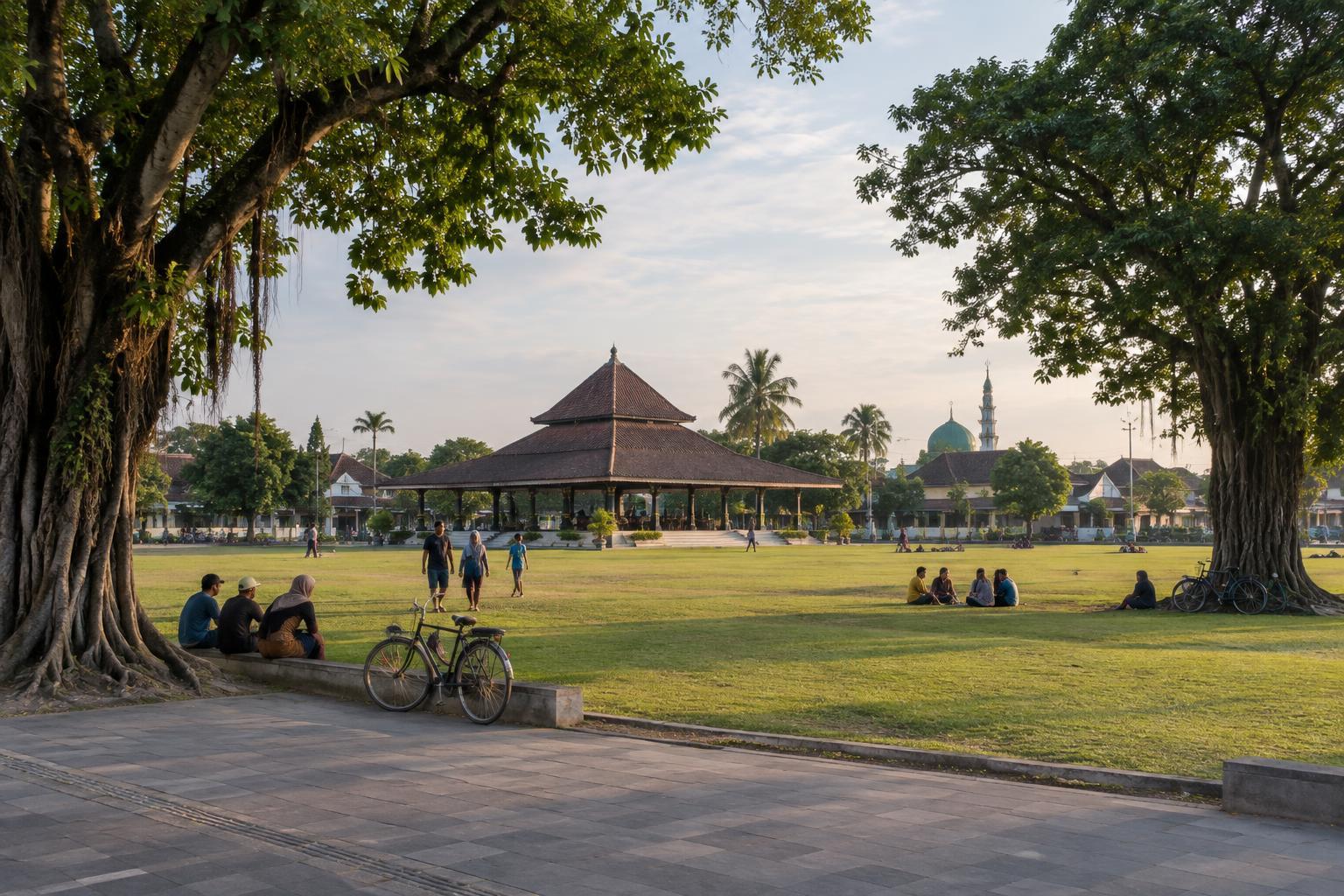
In many Javanese towns, the alun-alun is a broad open square near the historic center. Its openness is the point. Unlike a monument that tells one story, a square makes room for many activities: walking, meeting friends, resting, buying a snack or attending a public event. Even when little is happening, it offers a view of the buildings and streets that have shaped the town.
No two alun-alun are quite alike. Some retain wide grassy areas and prominent trees; others have paved paths, play areas or busy edges. Their appearance can change as towns grow and public priorities shift. Looking closely at the space as it exists today, rather than expecting a perfectly preserved historic scene, is a good way to understand why it continues to matter.
A square at the heart of a town
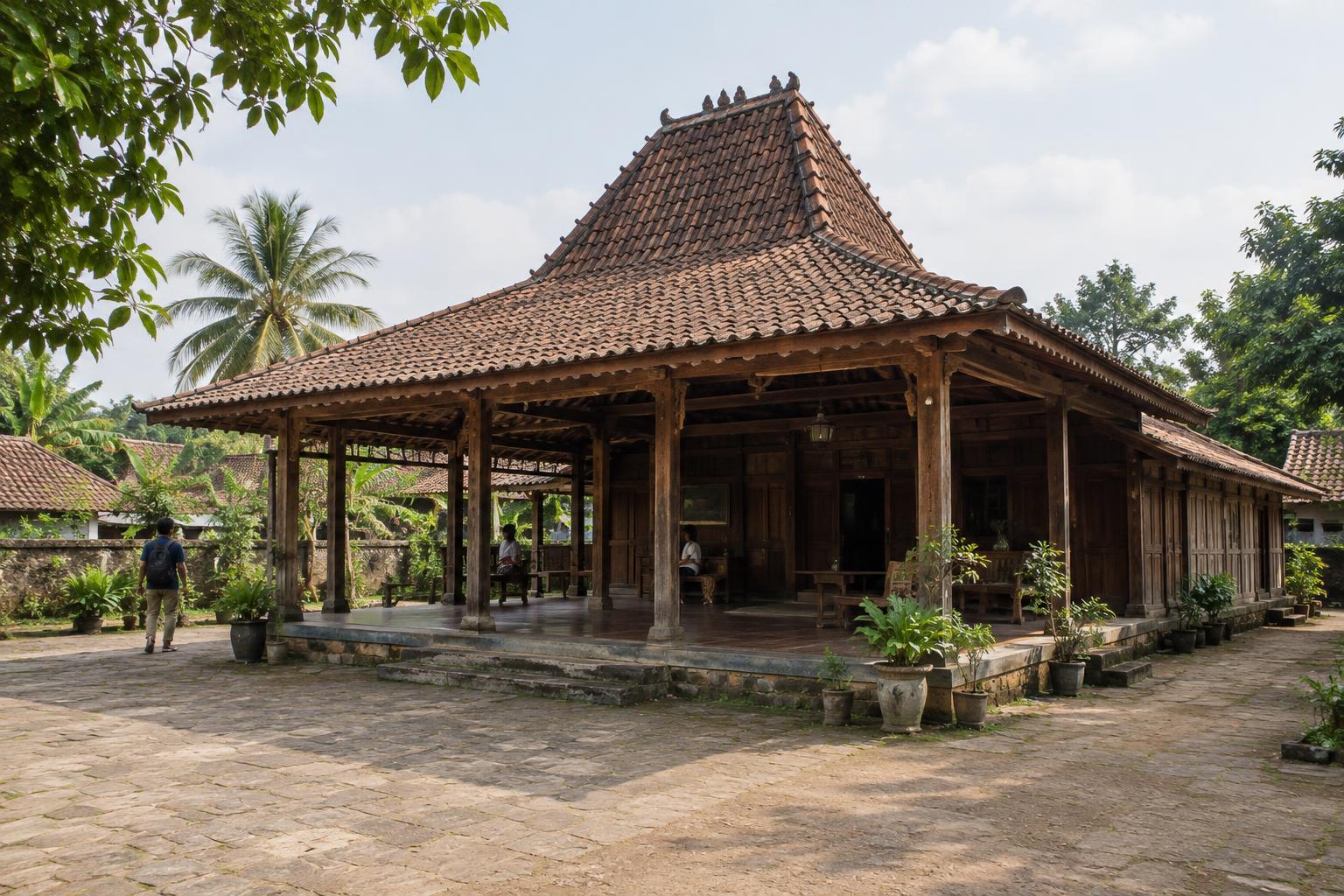
Historically, the alun-alun was often connected to a seat of authority. In towns associated with a kraton, or palace, an open square could form part of a larger arrangement of gates, roads and ceremonial spaces. Elsewhere, civic buildings might stand nearby. The square provided a visible setting for public life while also leaving room for formal gatherings and processions.
A mosque and commercial streets are often close to the central square, though the layout varies from place to place. This proximity brings different parts of town life within walking distance: administration, worship, trade and informal socializing. Rather than treating any one arrangement as a fixed blueprint, notice which buildings face the square, where the main routes lead and how people move between them. Those details can tell you more than a quick photograph of the lawn.
Old meanings, everyday uses
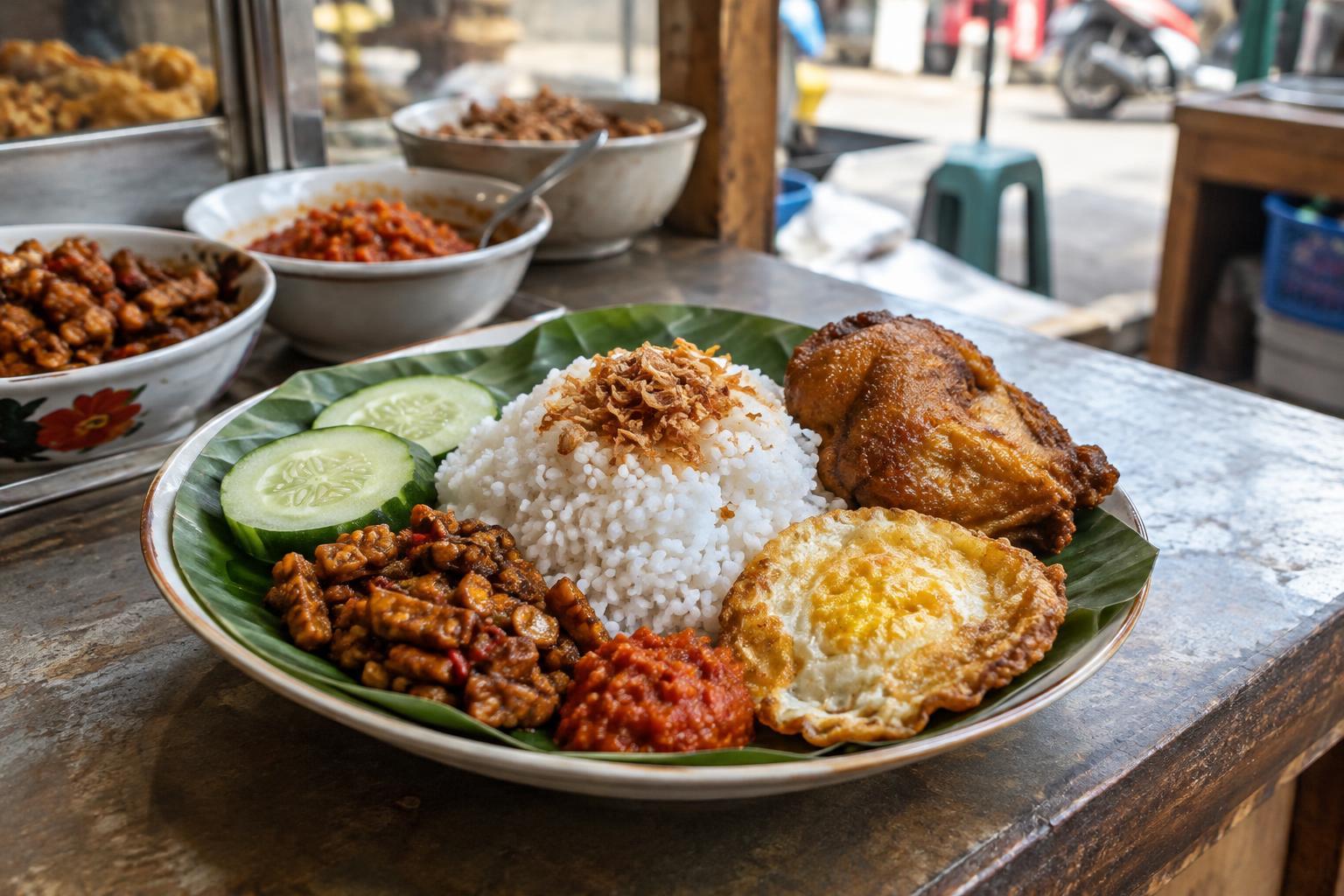
An alun-alun may carry memories of ceremony or civic power, but its present-day value is often refreshingly ordinary. Families may come out when the heat eases; friends may sit and talk; children may find space to play. Food sellers around the edges can make the square a convenient stopping point during an evening walk. These uses give an open public place a role in daily life, not just in local history.
Trees are part of the experience in some squares, offering shade and a recognizable focal point. Certain alun-alun are especially associated with banyan trees and local stories about them. Such stories are worth hearing as local traditions, without assuming that the same meaning applies everywhere. The mix of remembered symbolism and practical use is one reason a square can feel important even when its design is modest.
How to read the square on foot
Begin at one edge and take in the whole setting before crossing it. Is there a clear route toward a mosque, a former palace area or a government building? Are the busiest stalls clustered along a particular street? Do people cut straight across the open ground, or gather beneath trees and along paths? These observations help you see the alun-alun as a connection between places, not an isolated attraction.
Then spend a little time at its edges. Nearby shops, food stalls and side streets may show how the town uses the square at different hours. Morning can feel quieter than late afternoon or evening, although patterns vary by town and day. If you are interested in older features, compare what you can see rather than assuming every wall or gateway belongs to the same period. A town center is usually the result of many changes.
Visiting with care
An alun-alun is a shared space, not a stage set for visitors. Keep paths clear, dispose of rubbish properly and follow any posted rules about lawns or planted areas. If you buy food, take a moment to understand the stall’s ordering and payment routine rather than rushing the exchange. Around nearby places of worship, dress and behave with consideration, particularly when people are arriving for prayer.
Photographing the overall square is different from photographing people at close range. Ask before making someone the subject of a picture, and be especially thoughtful around children, worshippers and vendors at work. You do not need a festival or a guided tour to appreciate an alun-alun. A slow circuit, a pause in the shade and attention to how residents use the space can make it one of the most revealing stops in a historic Javanese town.