Start with the route, not just the city
Trains are a useful way to travel between many of Java’s major cities and towns. They let you avoid some of the decisions that come with road travel, while giving you time to watch the landscape change. They do not reach every destination, though. If your goal is a village, beach or trailhead, treat the train as one part of the journey and plan how you will get from the arrival station to your final stop.
When searching for a service, check the station names as carefully as the city names. A city may have more than one station, and different trains can use different ones. Confirm both your departure and arrival stations on a map before paying, especially if you have an onward connection. Look at the full journey duration too: a train that leaves at a convenient hour may stop more often or arrive late at night, when local transport takes more planning.
Book with the right details
For intercity journeys, booking ahead is sensible when your dates are fixed. Seats on a preferred train may become harder to find during holidays or other busy travel periods. Use an official railway booking channel or a booking service you trust, and compare the train number, stations, date, departure time and fare before confirming. Timetables, booking windows and ticket procedures can change, so rely on the details shown for your particular trip.
Enter each passenger’s name and identification details as requested, using the document they will carry to the station. International visitors should check whether the booking process calls for passport details. Keep a copy of the booking confirmation somewhere you can access without an internet connection, and make sure your phone has enough battery to display it. Before setting out, check the ticket instructions for any step needed to obtain a boarding pass or enter the platform area.
Allow room in your itinerary for a missed connection or a change of plan. Separate tickets for a train and a flight, tour or another train may leave you responsible for making the connection yourself. A longer gap is often worth more than a tight schedule, particularly when you must change stations or travel onward by road.
Choose a class that suits the journey
Class names and seat layouts vary by train, so compare the actual service rather than relying on the label alone. Economy is commonly the lower-cost choice; executive generally offers a roomier seating experience. Some services may list other classes or premium options. Check the seat plan, journey length, departure time and included features before deciding what represents good value for you.
For a short daytime ride, price and departure time may matter more than extra space. On a longer journey, consider how easily you can rest, work or manage your luggage. A window seat is appealing for views, but the side with the best scenery can change along a route. If you are travelling with someone, check the seat selection before paying rather than assuming adjacent places will be assigned.
Find your way through the station
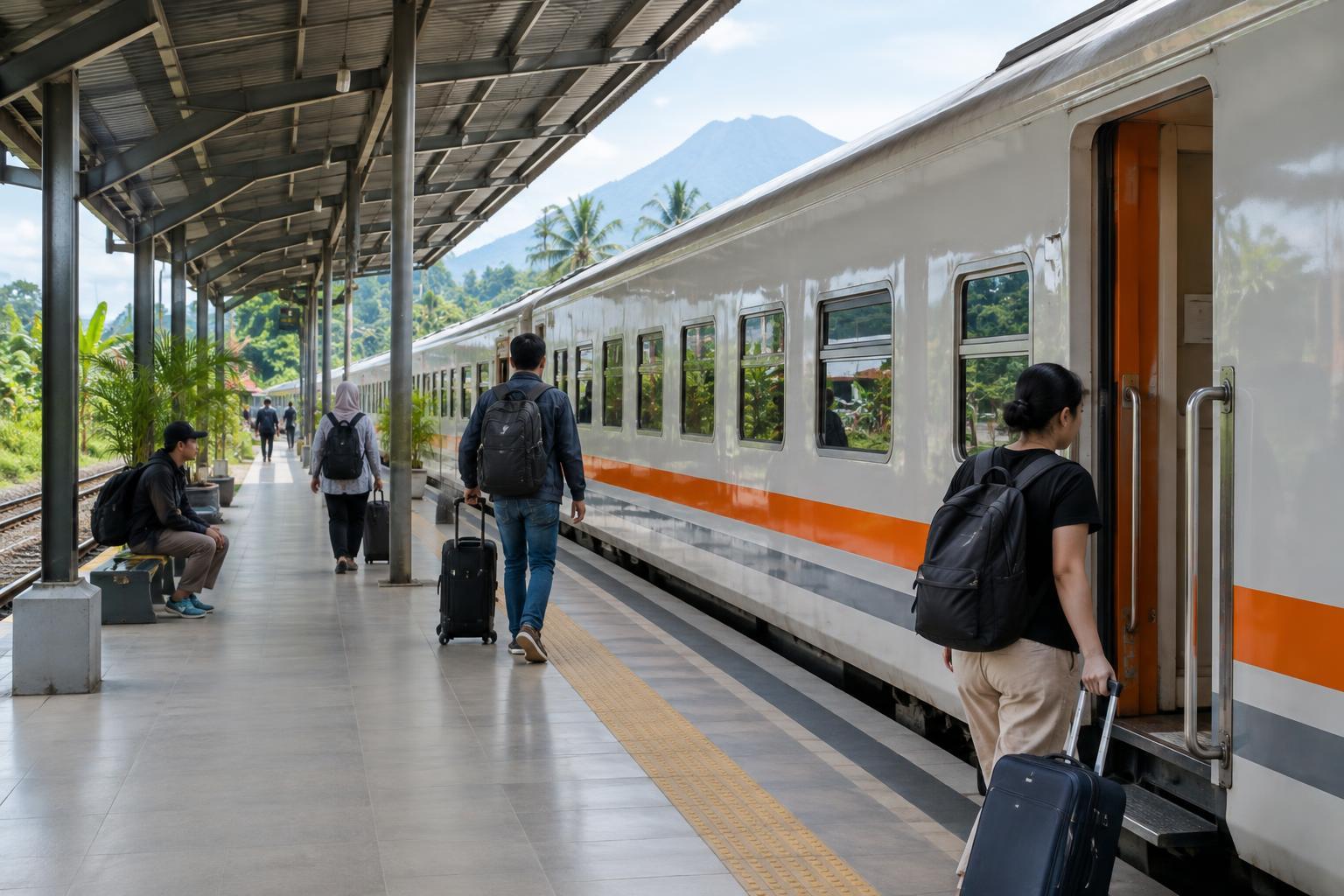
Arrive early enough to locate the entrance, handle any ticket or identity checks and find the correct waiting area without rushing. Larger stations can have multiple entrances and platforms; smaller stations may have fewer signs in English. Keep your booking details and identification handy, and look for your train number as well as its destination when reading a departure board. Station staff can help if a sign or announcement is unclear.
Platform access and boarding procedures can differ between stations and services. Wait for the relevant boarding information instead of following a crowd headed to another train. Once on the platform, check the carriage number on your ticket and the markings on the train. If you are unsure, ask before boarding; moving between carriages with bags is less pleasant after the train starts to fill.
Travel comfortably and arrive ready
Pack so that essentials stay within reach: identification, ticket details, water, medication you normally use, a light layer and anything needed for the next stage of your trip. Air-conditioned carriages can feel cool, and food choices may not suit everyone’s timing or preferences. Keep bags manageable enough to lift and store without blocking aisles or doors, and keep valuables close rather than leaving them unattended.
As your stop approaches, check the station name rather than judging arrival by the clock alone. Gather your belongings in good time, but wait until it is safe to move toward the exit. Outside the station, pause to orient yourself before choosing a taxi, ride-hailing pickup or other onward transport. A little preparation at each stage leaves more attention for the journey itself.