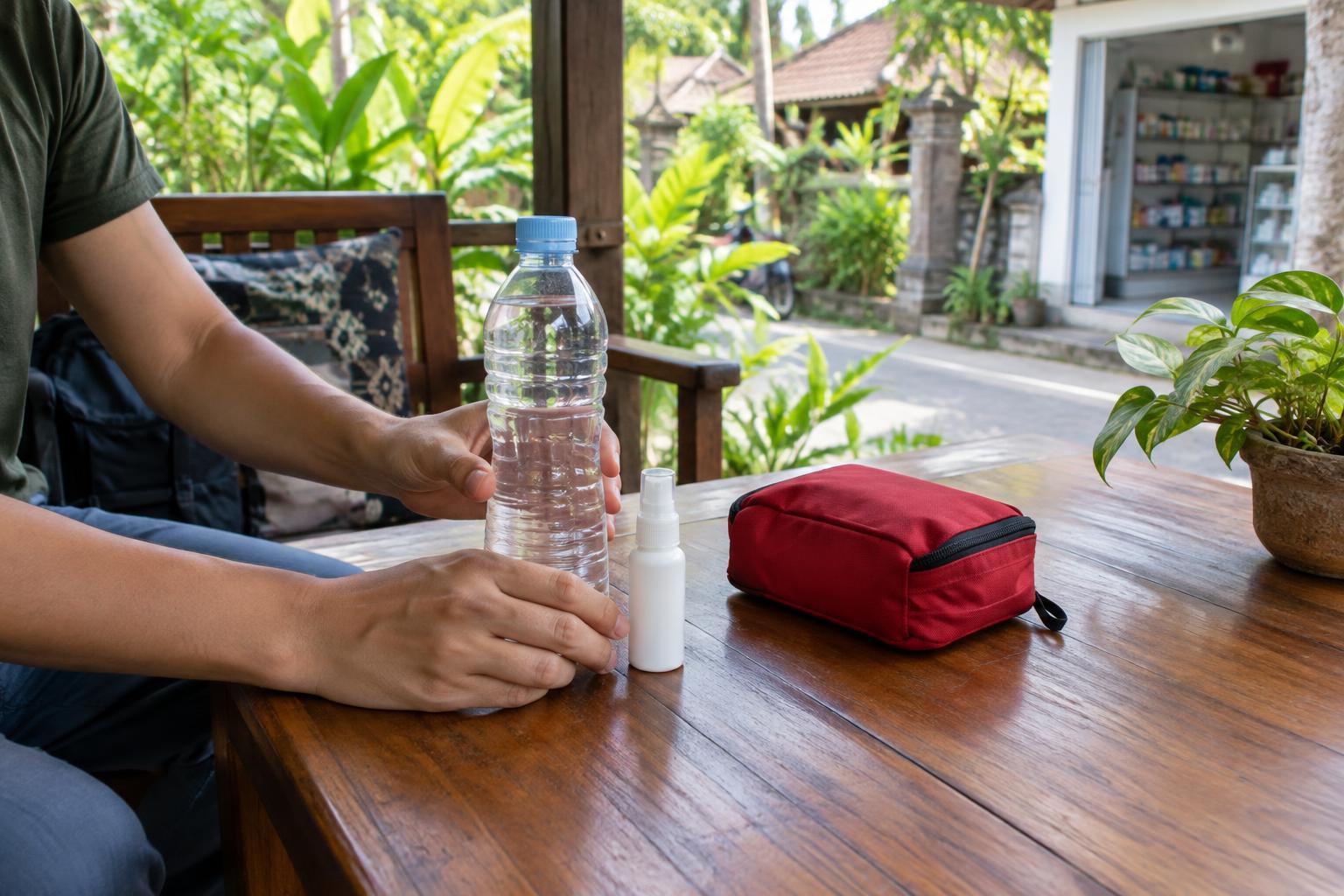
Make drinking water an easy daily habit
A long day exploring a temple, walking through a city or crossing a warm lowland area can make it easy to forget to drink. Carry water before setting out, and refill or replace it when you have a reliable option. If you are unsure whether tap water is safe to drink at your accommodation, ask rather than assume. For drinking and brushing your teeth, choose water from a source you trust.
Sealed bottled water is widely used by travelers, though checking that the cap is intact is a sensible habit. Some accommodations provide drinking-water dispensers or filtered refills; ask how the water is treated if that matters to your choice. Where reliable treated water is unavailable, boiling water is another option, provided you have suitable equipment and a clean container for storage. A portable filter may help, but filters differ in what they remove, so follow the product instructions rather than assuming any filter makes all water safe.
Pay attention to ice and drinks mixed with water if you are uncertain about their preparation. You do not need to avoid every cold drink: simply make choices based on the place and what you can learn about its water supply. Keep a bottle handy on longer journeys, especially when stops may be unpredictable.
Reduce mosquito bites throughout the day
Mosquitoes can be a nuisance in cities, villages and greener areas alike. Bite prevention is useful at different times of day, not only after sunset. Apply a mosquito repellent according to its label, including its guidance on reapplication and use on children. Lightweight long sleeves and trousers can provide another layer of protection when practical, particularly in shaded or damp places.
At your accommodation, look for intact window screens, a functioning fan or air conditioning, and a sleeping area with fewer openings to the outdoors. A mosquito net may be useful where rooms are open-sided or screens are inadequate. If mosquitoes are getting inside, ask the accommodation about another room or a way to address the problem. Emptying standing water around a place you control, such as a balcony, can also help limit breeding sites.
Before departure, consider asking a qualified healthcare professional whether your itinerary calls for any additional precautions. Conditions and personal health needs vary, so general travel tips are no substitute for advice tailored to your plans.
Pack a small, familiar health kit
A modest kit can save a search for supplies when you would rather be resting. Consider items you already know how to use, such as adhesive bandages, your usual toiletries, repellent and any personal medications. Oral rehydration supplies may be worth discussing with a healthcare professional before travel, particularly if you are concerned about stomach illness or heat. Check product directions and expiration dates before packing.
Keep essential medication in its original labeled packaging, with enough for the trip and reasonable delays. Carry documentation for prescription medicines when appropriate, and check any applicable travel requirements before you leave. Store what you need during the journey in an accessible bag, while following any temperature or storage instructions on the package.
Know how to use a pharmacy
In Indonesia, a pharmacy is commonly called an apotek. If you need a routine item, bring the packaging or a written name of the product or active ingredient; brand names may differ from those you know. A pharmacist can help you identify what is available and explain package directions, but do not assume that a medicine with a familiar-looking name has the same ingredients or strength. Read the label carefully and ask questions if anything is unclear.
A pharmacy is not a replacement for a medical assessment. If symptoms are severe, worsening or persistent, seek help from a qualified clinician rather than trying several over-the-counter products. This is especially important if you have an ongoing condition, take other medicines, are pregnant, or are choosing a product for a child.
Have a plan for when you feel unwell
Before moving between destinations, note the address of your accommodation and ask its staff where you could obtain medical care if needed. Keep your travel insurance details, important health information and a way to contact someone you trust easy to find. In a less familiar area, a companion or accommodation host may be able to help you explain where you are and arrange transport.
Rest and fluids may be enough for minor discomfort, but do not ignore warning signs. Seek prompt medical assessment for a persistent or high fever, signs of significant dehydration, difficulty breathing, confusion or symptoms that feel alarming to you. Mention recent travel and mosquito bites to the clinician where relevant. A simple plan made before you need it leaves more room to enjoy Java’s everyday journeys with confidence.


