A celebration with several layers
Sekaten is associated with the commemoration of the birth of the Prophet Muhammad in the Javanese court cities of Yogyakarta and Surakarta. It is not a single performance or a festival that looks identical everywhere. Court ceremonies, music, religious observance and public activity can all be part of the occasion, but their timing and presentation differ by place and year.
For a visitor, the most useful starting point is to see Sekaten as a living tradition rather than a spectacle with one fixed meaning. Some people come to take part in religious observance, others to hear the gamelan, spend time with family or watch a court procession. Those experiences can overlap without being interchangeable. A busy public gathering, for example, should not be taken as the whole meaning of a ceremony nearby.
Religious history and Javanese court culture
Sekaten is commonly linked to the spread of Islam in Java and to the Javanese courts’ long involvement in marking the Prophet’s birth. Accounts of its beginnings often connect music and public gathering with the communication of Islamic teachings. These accounts are an important part of how the tradition is understood, although it is wise to avoid treating every detail of an origin story as a settled historical fact.
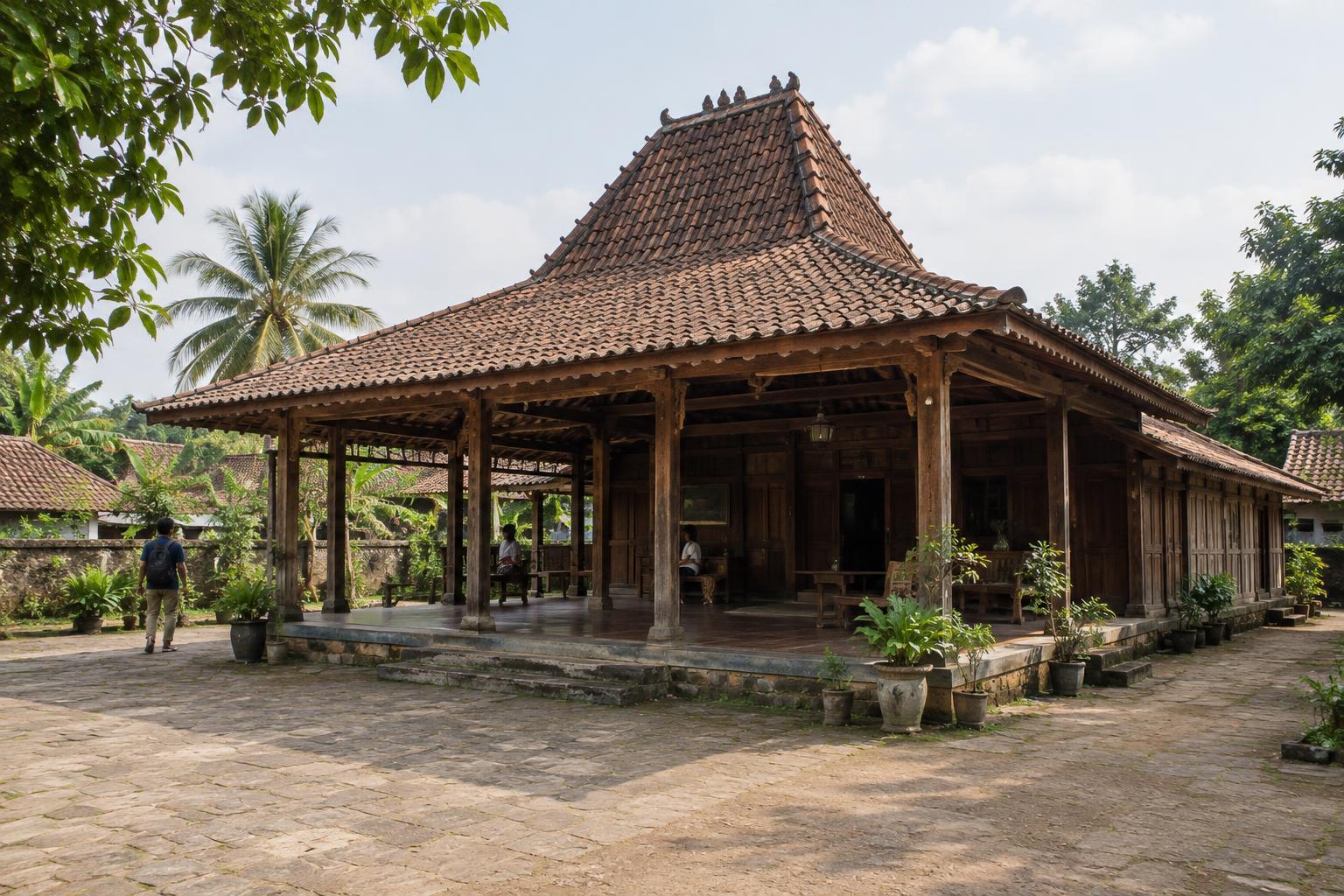
In Yogyakarta and Surakarta, Sekaten also expresses the relationship between the court and the wider community. Court objects, established ceremonial roles and movement between palace and mosque spaces give the occasion a distinctive setting. Practices have continued to develop, so a description from one city—or from a previous visit—may not match what someone sees today. Paying attention to local explanations can be more rewarding than arriving with a rigid checklist.
Gamelan, procession and public gathering
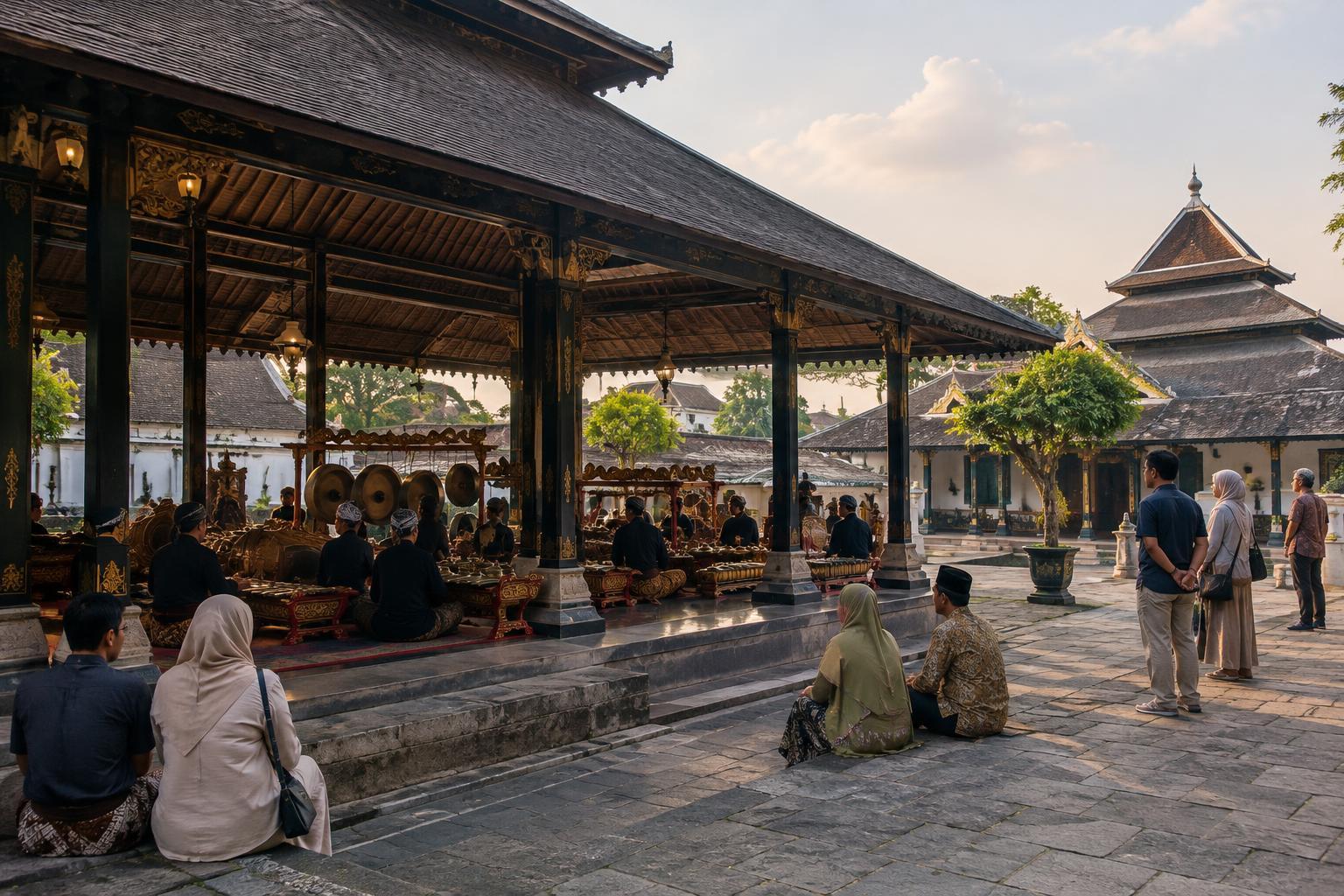
The sound most closely associated with Sekaten is the gamelan sekati, a ceremonial ensemble connected with the courts. Hearing it can be striking: the repeated patterns and powerful tones invite listeners to slow down and notice the setting as well as the music. Visitors should follow any barriers or staff directions around the instruments. A quiet place to listen is often better than trying to get as close as possible.
Grebeg Maulud, associated with the same commemorative period, is another event visitors may hear about. In court traditions, it involves a procession and gunungan: arrangements of produce and other items shaped like mountains. Sekaten and Grebeg Maulud are closely connected, but they are not simply two names for the same activity. Public markets or amusements may also accompany the season; their presence and scale can vary, and they should not be confused with the religious and court ceremonies.
Because events take place across different spaces, a visitor’s experience depends on where and when they arrive. An open public area may feel informal, while a procession route or mosque entrance may call for much greater restraint. If a particular ceremony matters to your trip, check locally for the current arrangements rather than relying on a description of a typical year.
How to visit respectfully
Dress modestly, especially when approaching a mosque or ceremonial area, and be prepared to follow any posted rules on entry or footwear. Keep passageways clear, lower your voice during observances and let participants move without interruption. Crowds can gather quickly around processions, so choose a viewing spot that does not block others or require pushing forward.
Ask before photographing people at close range, and put the camera away if photography is restricted or an intimate moment is unfolding. Avoid stepping into a procession for a picture or touching instruments, offerings or ceremonial objects. If you are unsure whether an area is open to visitors, pause and ask an attendant or follow the lead of clearly marked visitor access—not the movement of someone taking part in the ceremony.
Respect also means allowing for different reasons to be there. You can enjoy music or a market while recognizing that others may experience the occasion as worship, family tradition or service to the court. Watching patiently, making room and accepting that some moments are not for visitors can make the visit more meaningful.
Planning a visit without a fixed script
If Sekaten is a priority, leave room in your itinerary for schedule changes and crowds. Confirm practical details through locally available notices before setting out, including where visitors may stand and whether access is limited. Yogyakarta and Surakarta each offer a distinct context, so choose the city for the wider trip you want rather than assuming the ceremonies will be identical.
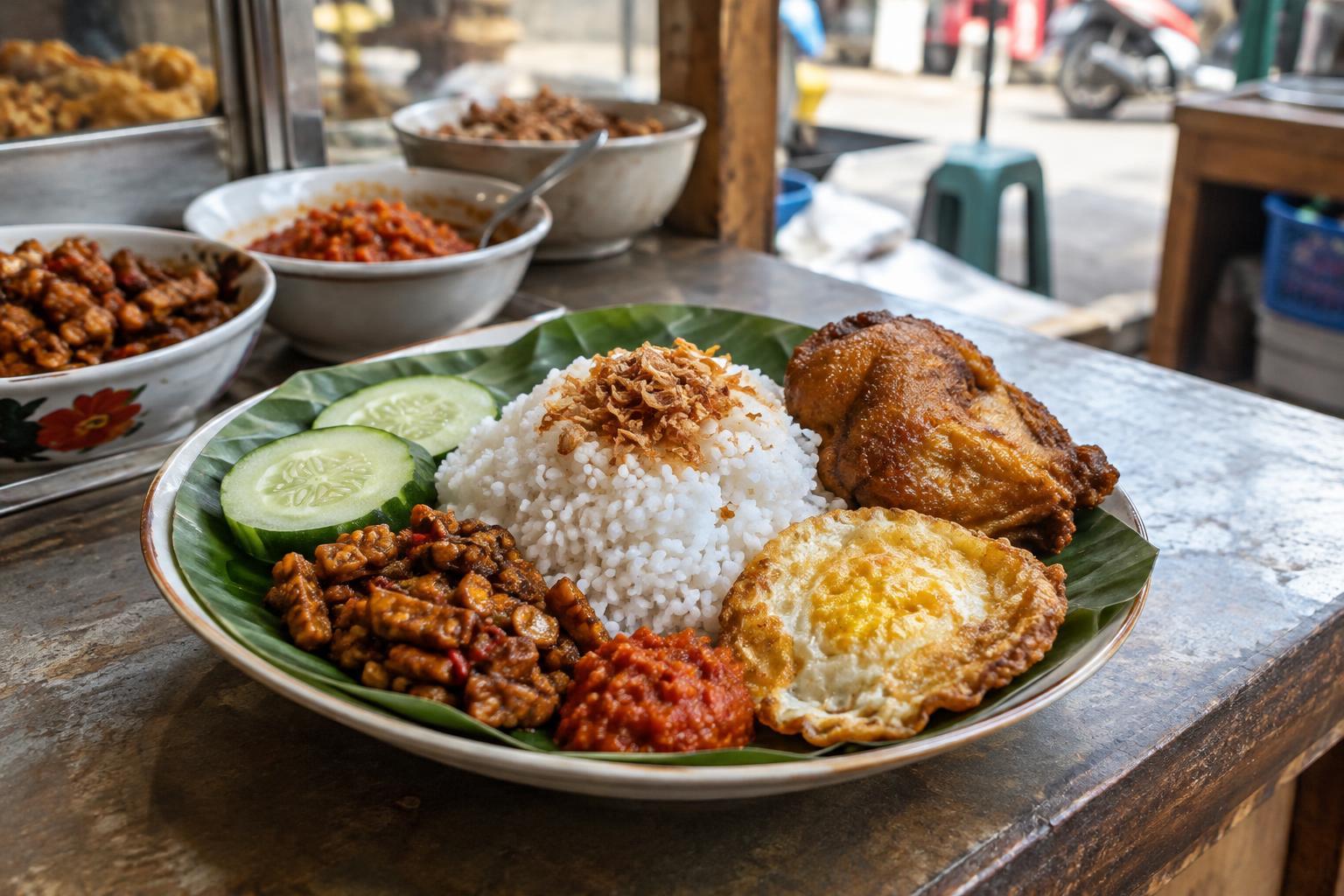
Allow time to explore beyond the main gathering. Mosques, palace surroundings, food stalls and ordinary streets each reveal something about how a major tradition sits within daily city life. The strongest visit may be less about seeing every event than about noticing the connections between religious commemoration, court custom and the people who continue to give Sekaten meaning.