Start with the kind of trip you want
Java can look compact on a map, but a route across the island involves more than the distance between cities. Reaching a train station, checking into a new room and arranging transport to a rural site all take time. For a first visit, choose two or three priorities before choosing stops: perhaps historic neighborhoods and temples, local food and markets, or volcanic landscapes and walking.
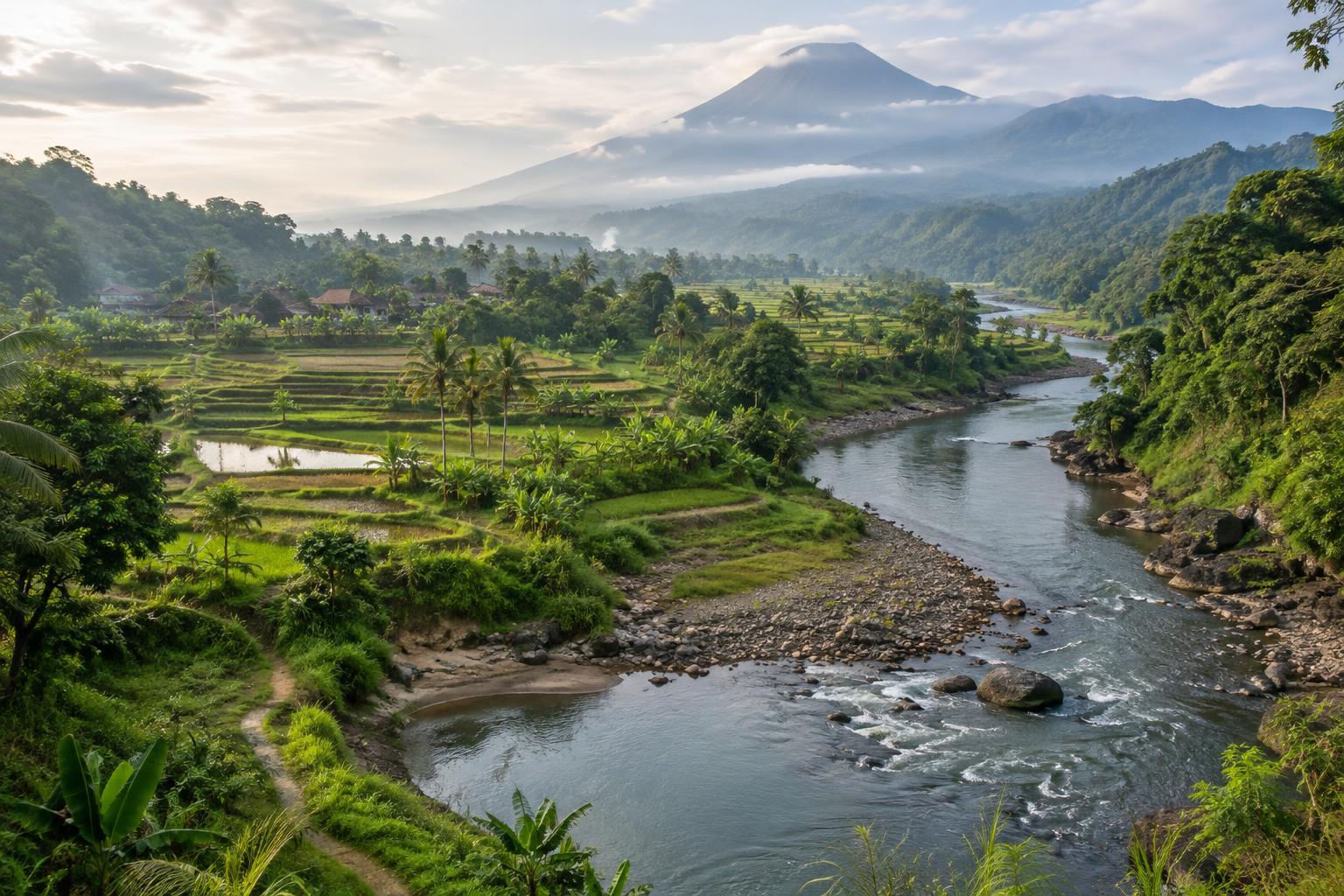
Think of Java in broad travel zones. The west includes Jakarta, a major arrival point with museums, older districts and a fast-paced urban setting. Central Java and the neighboring Special Region of Yogyakarta offer useful bases for cultural visits, crafts and food. Farther east, cities such as Malang and Surabaya can serve different purposes, while Banyuwangi is a possible base for exploring Java’s eastern end. These are starting points for planning, not a checklist to complete.
Pick bases, not a new bed every night
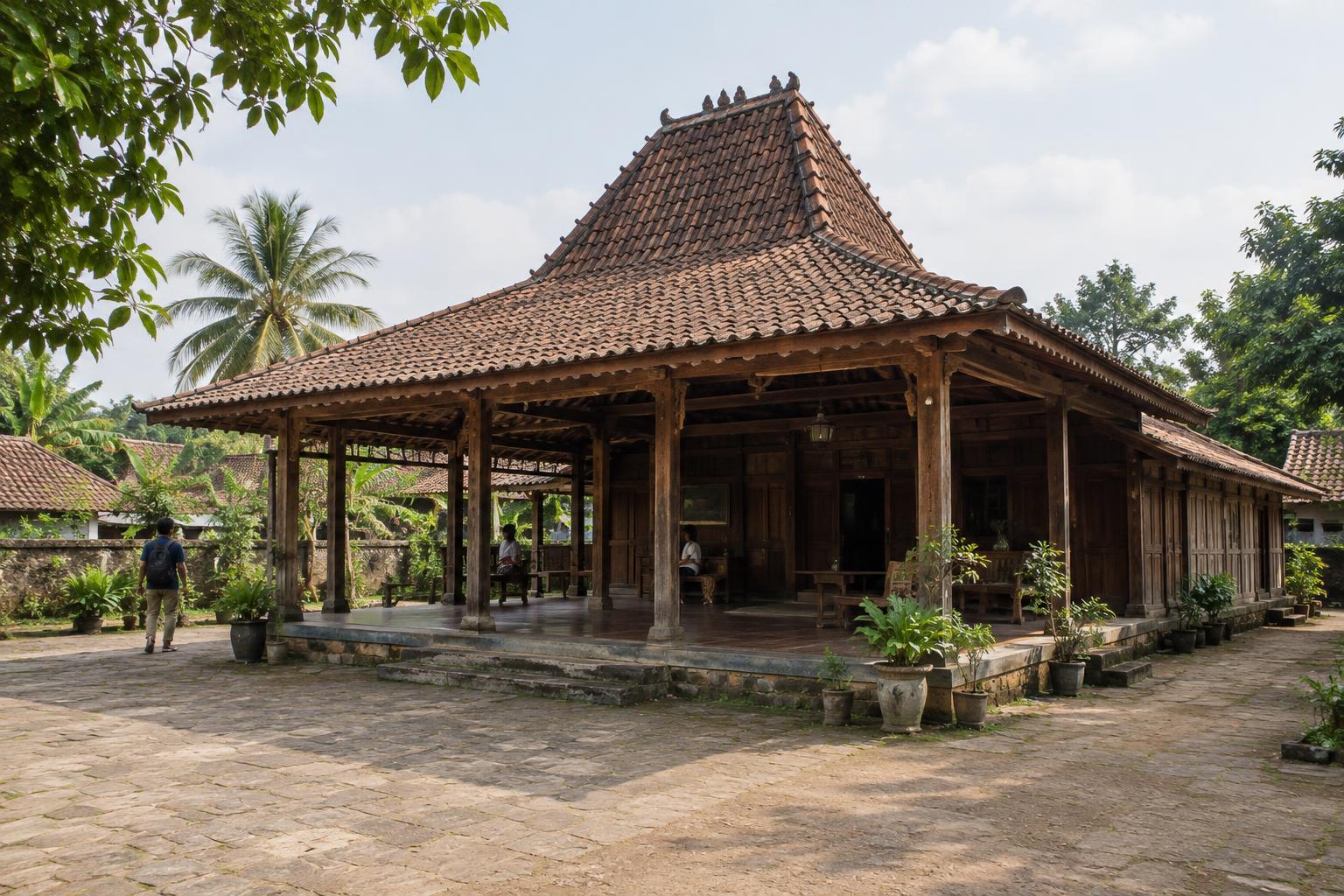
A base works best when it gives you a pleasant day nearby as well as access to excursions. Yogyakarta is a flexible choice for many first-time visitors: you can spend one day exploring the city and another visiting sites outside it without repacking. Solo, also known as Surakarta, offers another city base for travelers especially interested in courtly heritage, batik and everyday street life. You need not stay in both simply because they are close enough to combine.
In East Java, choose a base according to what you actually plan to do. Malang may appeal if you want a cooler-feeling city stay and time to arrange landscape outings. Surabaya can be useful as a transport hub and as a destination for urban history and food. Banyuwangi makes more sense when eastern Java itself is a priority. Before adding any base, ask whether it offers at least one full day you would enjoy there. If its only purpose is an early departure the next morning, consider whether the stop is worth the extra move.
Build the route around full days
Count usable days, not just nights. An arrival evening is rarely a sightseeing day, and a transfer can take most of a day once local journeys and waiting time are included. For a trip of about a week, two bases are usually a more comfortable starting point than four. You might spend several nights in Yogyakarta and several in Solo for a culture-focused visit, or pair Yogyakarta with one East Java base if you are comfortable giving more time to the journey between them.
With roughly two weeks, a west-to-east route becomes easier to pace: begin in Jakarta if that is where you arrive, continue to Yogyakarta for several nights, then choose an East Java base that fits your interests. Add Banyuwangi only if you have time to stay and explore rather than pass through. The same logic works in reverse. Whenever possible, compare where you enter and leave Java before settling on a route; backtracking can consume a day you would rather spend in one place.
Make transport part of the plan
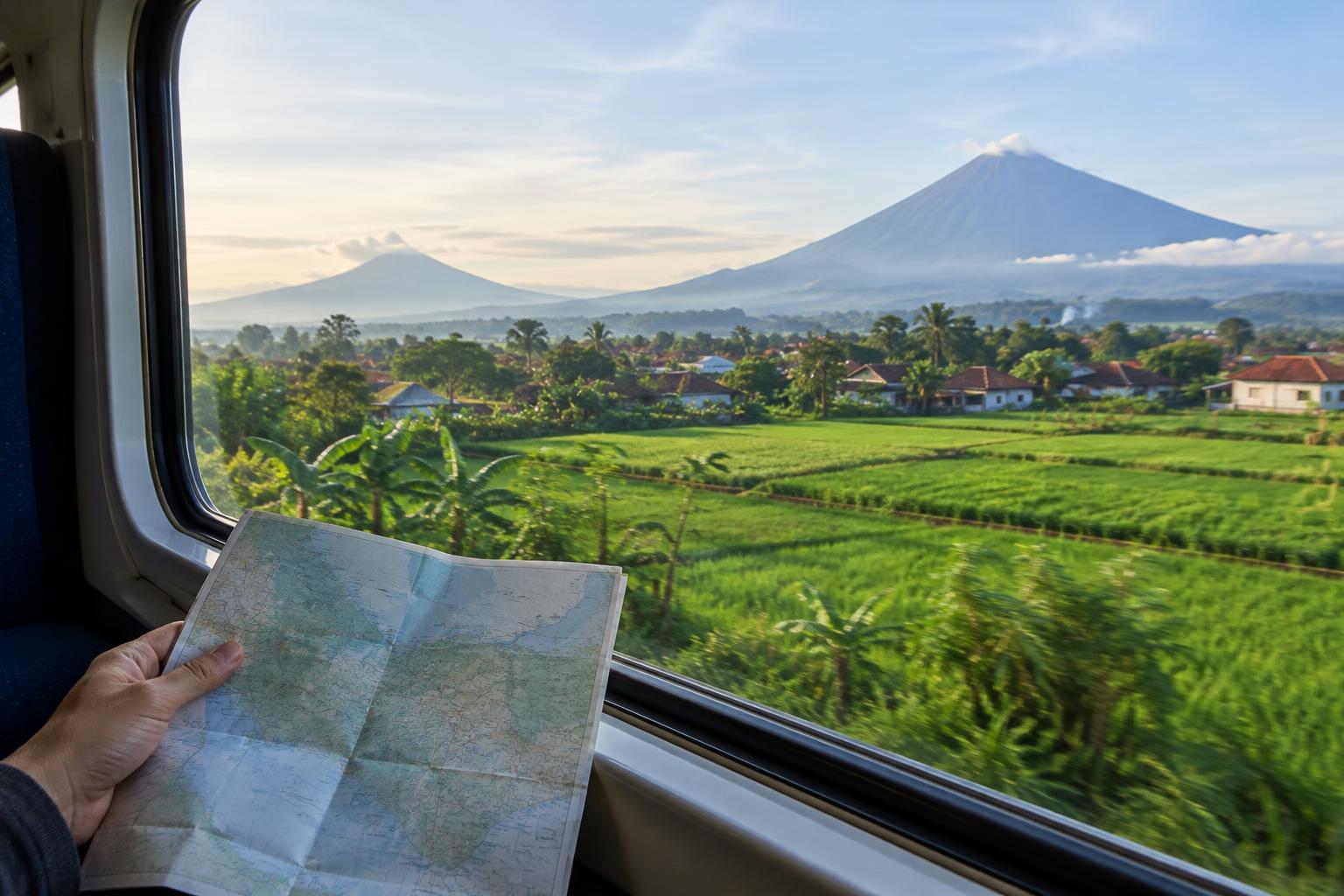
Trains are often a useful way to travel between Java’s larger cities, while local transport is usually needed to reach smaller towns, trailheads and sites outside urban centers. A direct-looking journey may still involve a station transfer or a substantial road trip at the end. Check the location of your accommodation in relation to the station and the places you hope to visit, rather than assuming that every address in the same city is equally convenient.
Keep demanding outings separate from major transfer days. A sunrise excursion, a long walk or a visit to several dispersed sites is more enjoyable when you are not also racing to another city. Build in a flexible day after a particularly long journey or outdoor plan. It can become a rest day, a slower neighborhood walk or a chance to revisit a place you liked. Confirm transport schedules and site access when making bookings, since practical details can change.
Leave room for everyday Java
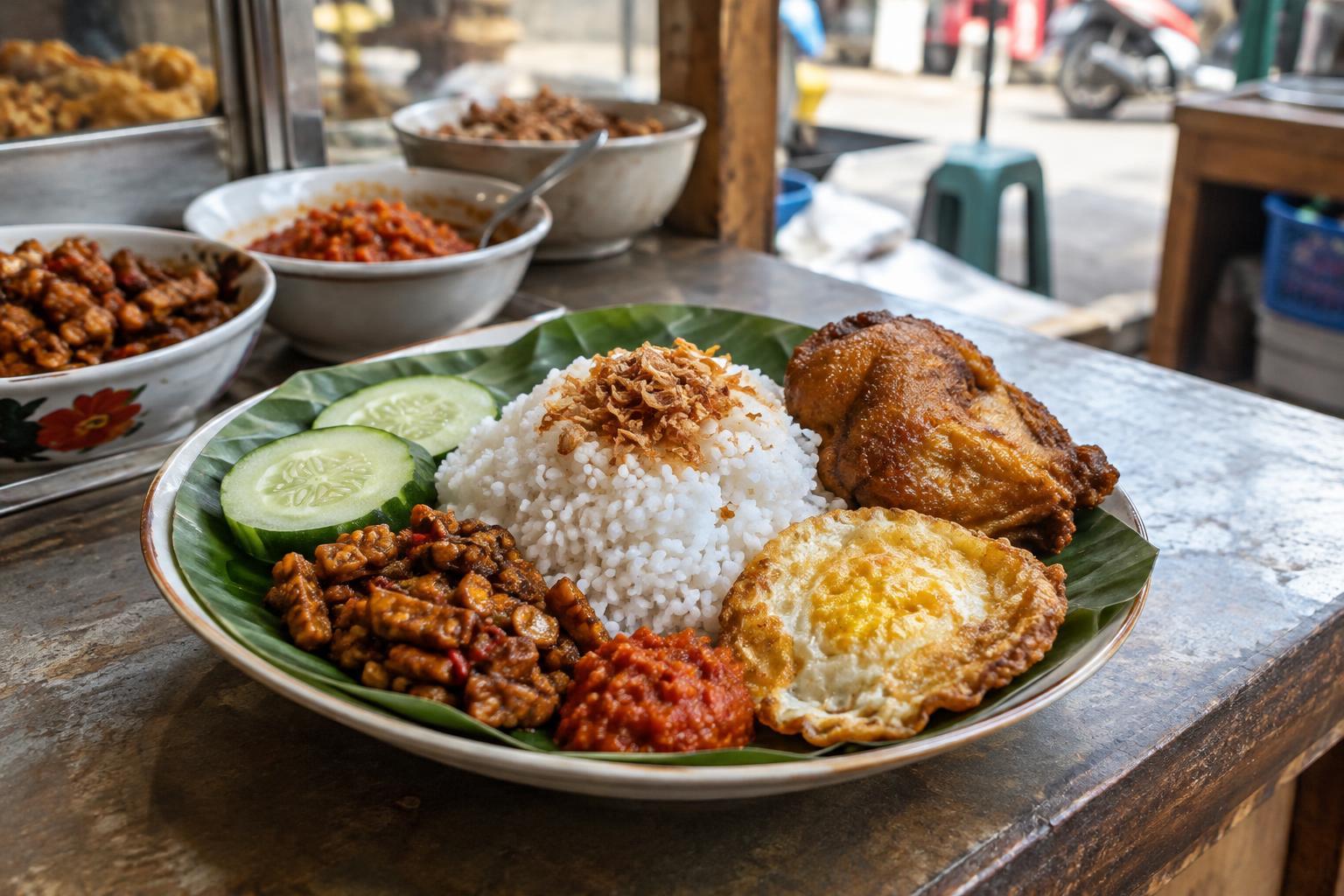
Famous landmarks may shape the route, but ordinary hours often give a trip its texture: breakfast near your guesthouse, browsing a market, watching artisans at work or lingering over a regional dish. These experiences are easier to enjoy when you stay more than one night and leave some daylight unscheduled. They also give you options if weather or fatigue changes your plans.
Before finalizing an itinerary, read it as a sequence of mornings and evenings. Are you repeatedly arriving late and leaving early? Is there time to eat, walk and get your bearings in each base? If not, remove a stop. A realistic first trip across Java does not have to cover the whole island. It should give you enough time in the places you choose to notice how they differ.