Start with rupiah and a flexible payment plan
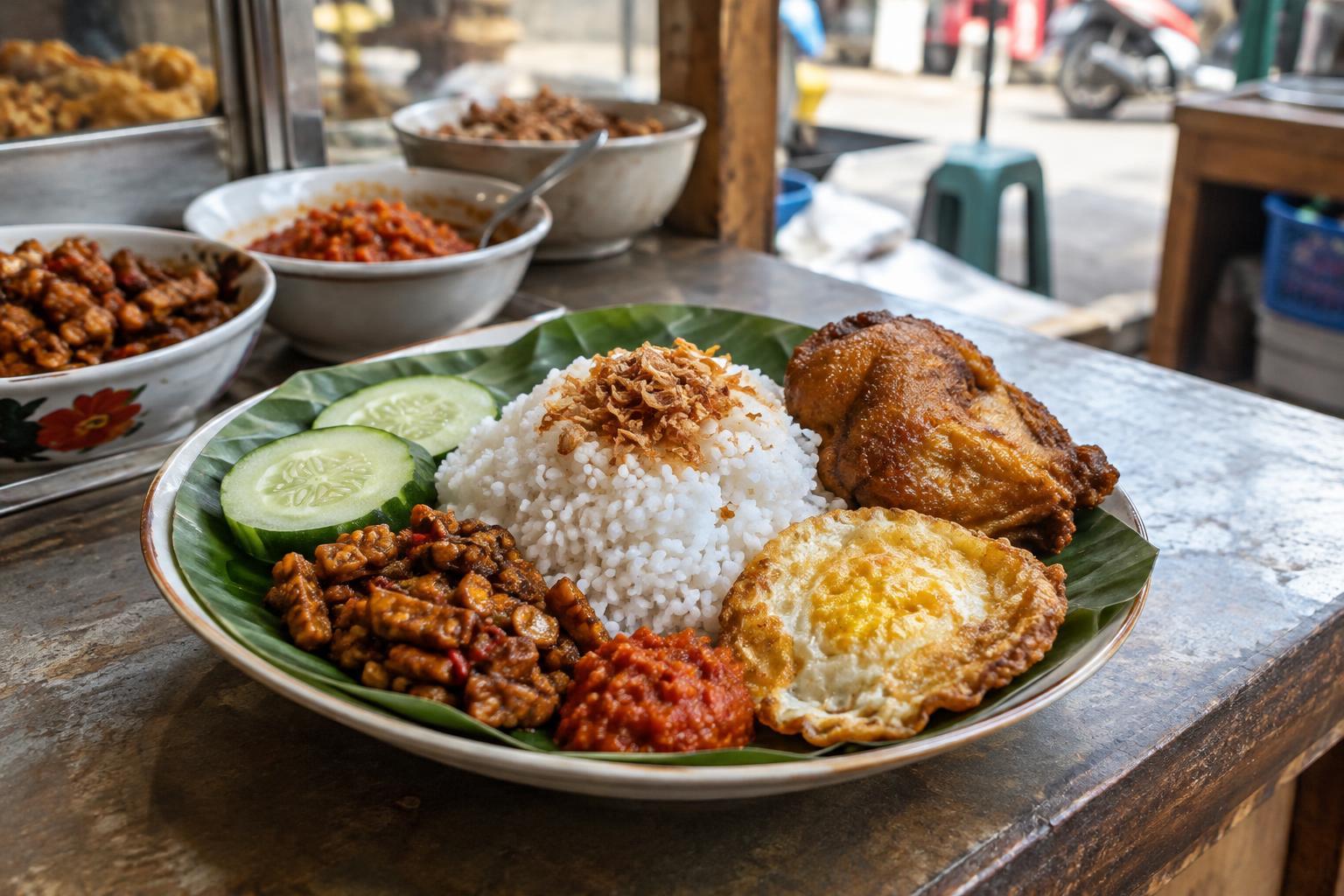
Indonesia’s currency is the rupiah. In Java, the easiest approach is to have more than one way to pay: a card for places that accept it and some rupiah for smaller purchases. A hotel or larger restaurant may accept cards, while a market stall, roadside food seller or local transport provider may prefer cash. Payment options can vary even between neighboring businesses, so look for a sign or ask before ordering rather than assuming.
Think about the kinds of days you have planned. A day spent at major sights and established restaurants may involve fewer cash payments than one spent browsing markets, eating at small warungs or stopping in villages. Keep enough cash for the day’s likely expenses, plus a modest reserve, without carrying all your travel money at once. This gives you room to change plans if a card terminal is unavailable.
Make small notes part of your routine
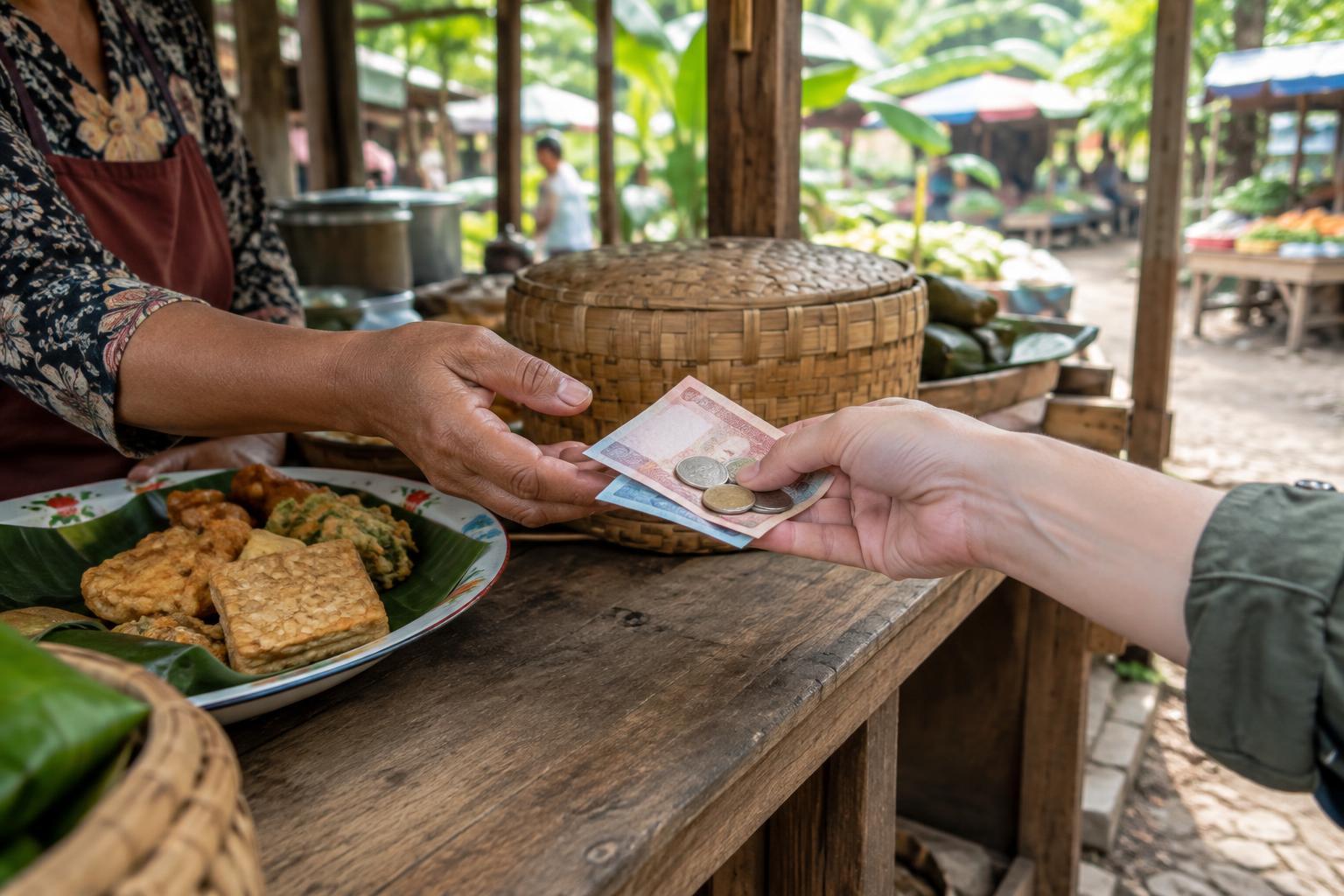
Small denominations are especially useful for snacks, short rides, parking and inexpensive entry fees. A seller may not have change for a large note, particularly early in the day. Breaking a larger note at a supermarket or another business where you are already making a purchase can help you build a supply of smaller notes. Do not rely on every seller being able to break a note simply so you can make change.
Before handing over cash, check the amount and count the change you receive. Rupiah prices can contain several zeros, which takes some getting used to if you are new to the currency. Take a moment to read the price rather than guessing from the first few digits. Keeping small notes separate from larger ones can also make quick purchases less awkward and reduce the need to sort through your whole wallet in public.
Use cards where they work, but have a backup
Cards can be convenient for accommodation, larger shops and some restaurants, but acceptance is not universal. Even where a business normally takes cards, a terminal or network may not be working when you need it. Ask which payment methods are accepted before committing to a purchase you cannot comfortably cover in cash. If you use an app-based service, check its available payment options when booking rather than expecting the same method on every trip.
Before leaving home, check your card issuer’s rules for overseas use, withdrawal limits and possible fees. If you carry a second card, store it separately from the one you use each day. When a payment screen offers a choice of currency, read it carefully: choosing to pay in your home currency may involve a conversion rate set by the payment provider. Your card issuer can explain how its own conversions and charges work.
Withdraw cash with care
ATMs are a practical way to obtain rupiah in many towns and cities, but access can be less predictable when you are away from busy areas. If your next day includes an early departure or a trip into the countryside, consider withdrawing what you need beforehand. Check the ATM screen for any stated charge, remember that your own bank may also charge a fee, and keep your card and cash secure as you finish the transaction.
Choose an ATM in a place where you feel comfortable stopping and checking the machine. Shield your PIN, put your cash away before walking off and keep any receipt until you have checked the transaction. If an ATM does not return your card or a withdrawal appears to have failed, avoid repeatedly trying the same machine. Record the location and transaction details, then contact your card issuer using a trusted contact method.
Keep everyday payments simple and respectful
A little preparation helps transactions feel easier for both you and the person serving you. Check the posted price where there is one, confirm the total if it is unclear, and have an appropriate note ready when possible. At markets, clarify the price before buying; at small eateries, ask how payment works if there is no obvious counter. Carrying cash does not mean you need to display it all at once.
At the end of each day, glance at what you have spent and what smaller notes remain. Refill your cash supply before you run low, particularly if you are moving on to a quieter destination. There is no single payment method that suits every stop in Java. A combination of rupiah, a working card and the habit of confirming payment options will cover most everyday situations with less fuss.