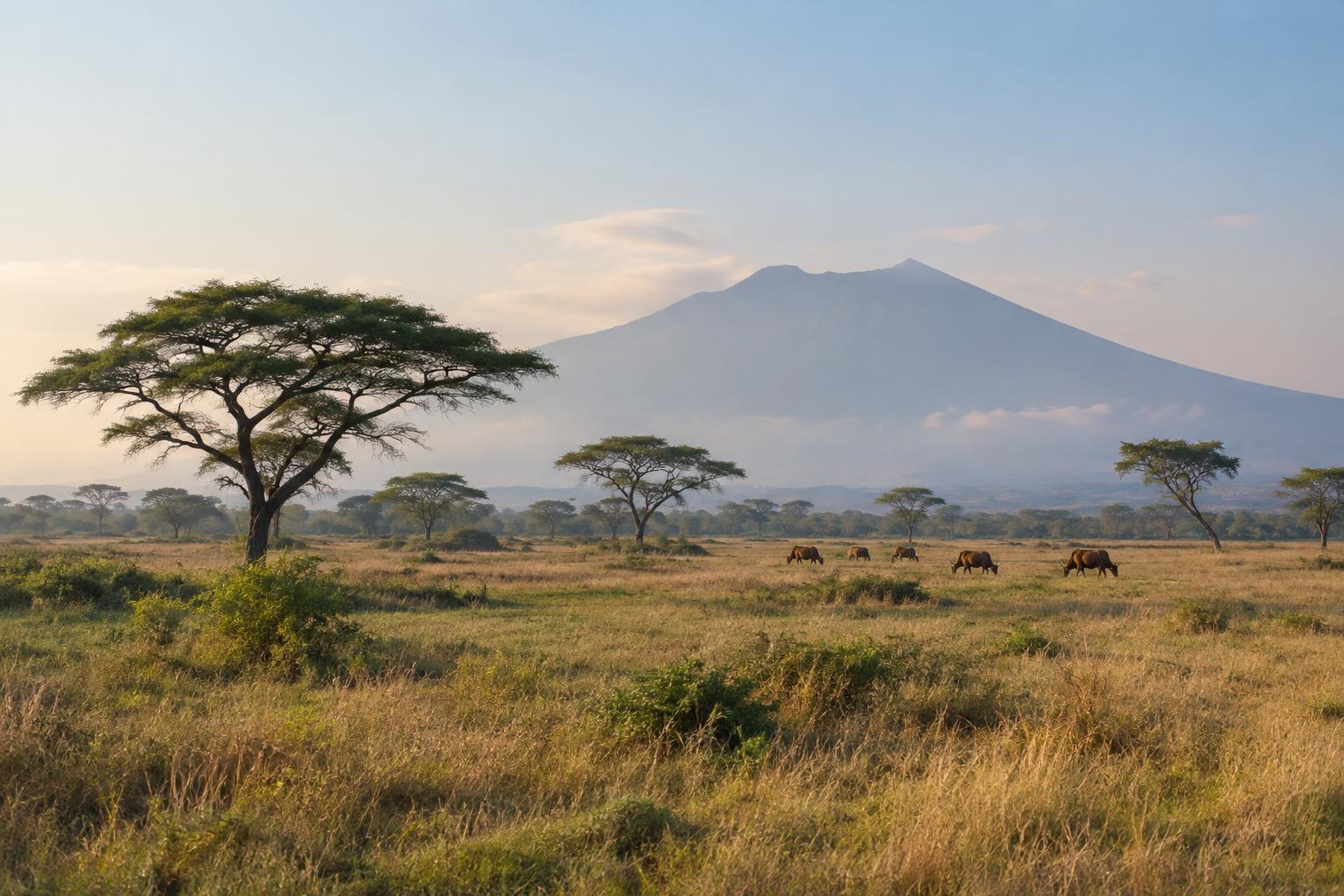
Getting to know the savanna
Baluran National Park, in East Java, is known for the wide views of its Bekol savanna. Open grassland, scattered trees and the outline of Mount Baluran create a landscape that feels different from Java’s wetter forests and cultivated hillsides. The savanna is only one part of the park: woodland, coastal areas and other habitats also shape what visitors experience along the route.
A visit is most rewarding when treated as time in a living habitat rather than a search for one perfect photograph. Animals may be distant, hidden by vegetation or absent from view altogether. Pausing quietly to notice tracks, birdsong, changing light and the movement of grasses can make even a brief stop worthwhile.
How the seasons change the view
In drier periods, the grass may turn golden or brown, giving the savanna its most familiar appearance. More open vegetation can make it easier to scan the landscape, but it can also mean stronger sun, dust and less shade. Carry drinking water, use sun protection and allow time to rest rather than rushing between viewpoints in the heat.
After rain, new growth can make the grassland look greener and denser. That change brings its own appeal, though vegetation may partly conceal animals and unpaved sections of a route may be muddy. Seasonal conditions are not fixed to an exact calendar: rainfall varies, and the park can look different from one visit to the next. Check access and local conditions before setting out, especially if your plans depend on reaching a particular area.
Wildlife to look for without expecting a sighting
Visitors may encounter deer, monkeys and a variety of birds; Baluran is also habitat for banteng, a wild cattle species. A sighting of any particular animal is never guaranteed. Wildlife moves in response to food, weather, disturbance and other factors that are not visible from a roadside stop.
Look across the grassland slowly instead of approaching an animal as soon as you spot it. Binoculars can help you appreciate behaviour from a comfortable distance. Early or later daylight may be pleasant for observing the landscape, but choose a visit time that fits park access rules and your ability to travel safely. If animals retreat, stop feeding or become alert to your presence, give them more space.
Good viewing etiquette protects the experience
Keep to permitted roads, paths and viewing areas, and follow instructions from park staff. Do not feed wildlife, even if an animal appears accustomed to people. Human food can draw animals toward vehicles and visitors, while attempts to get close can interrupt feeding or resting. Keep food secured, take your litter with you and avoid leaving scraps behind.
For photographs, let distance set the limits of the shot. Do not chase, surround or block an animal’s route, and keep noise low when others are watching nearby. A longer lens or a wider landscape composition is a better choice than stepping closer for a frame. If you are travelling with others, agree in advance to wait patiently and move on when an animal needs room.
Plan a flexible day
Before your visit, confirm current opening arrangements, entry requirements and which areas are accessible. Bring water, comfortable footwear and protection from sun or rain according to the conditions. Travel slowly where vehicles share space with wildlife, and allow enough time for the return journey rather than planning around a hoped-for sighting.
Baluran rewards flexibility. The savanna might greet you with dry, open views or a greener scene after rain; wildlife might appear close enough for careful observation or remain out of sight. Paying attention to the landscape while respecting the animals that live there is a satisfying way to experience either day.


